
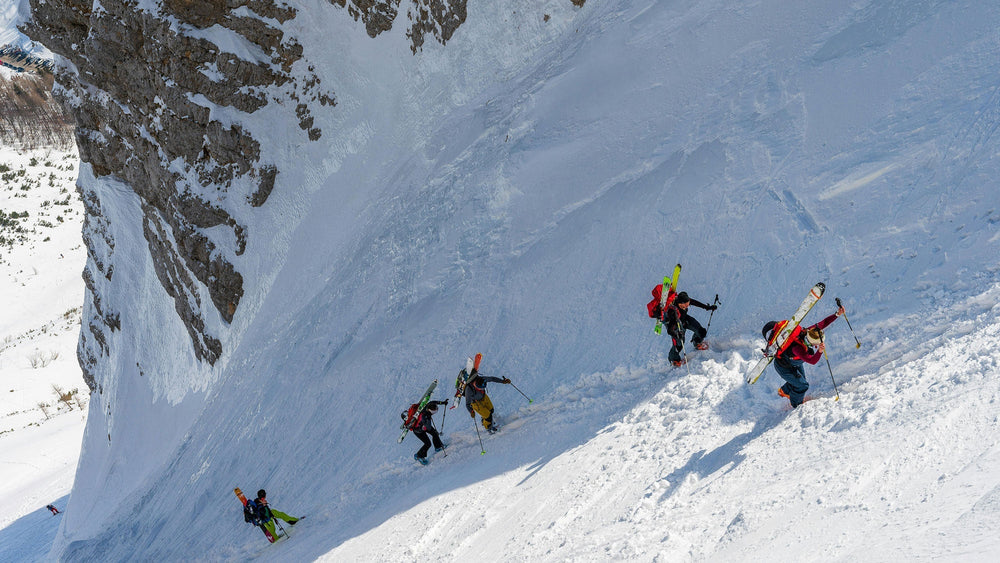

Packing for a mountaineering trip isn’t just about bringing gear—it’s about bringing the right gear and knowing how to use it. Below is a detailed breakdown of the ten essentials, adapted specifically for alpine environments.
1. Helmet
A helmet protects you from falling rock, ice, and accidental tool swings. Even on “easy” glacier routes, rockfall can happen without warning. Look for a lightweight, well‑ventilated climbing helmet that fits snugly without interfering with your hood or goggles. Many modern helmets also have headlamp clips and adjustable suspension for a secure fit.
2. Crampons
Crampons provide traction on snow, ice, and firm neve. Choose a type that matches your boots and intended terrain:
- Strap‑on (universal) : Great for B1 or non‑technical boots.
- Semi‑automatic (hybrid) : For B2 boots—quick to put on and secure.
-
Automatic (step‑in) : For B3 boots, offering the most security on steep ice.
Check your crampons before every trip: ensure all points are sharp, the anti‑balling plates are intact, and the binding system works smoothly.
3. Ice Axe
Your ice axe is your primary tool for balance, self‑arrest, and step cutting. A general‑purpose mountaineering axe (50–70 cm depending on your height) is perfect for most alpine routes. Practice self‑arrest on a safe snow slope before you need it. Make sure the pick and adze are free of rust, and the shaft is straight.
4. Harness
A lightweight, adjustable climbing harness is essential for glacier travel, roped climbing, and rappelling. Features to look for: gear loops for carrying ice screws or carabiners, a belay loop, and adjustable leg loops so you can fit it over bulky clothing. Double‑back buckles are more secure than auto‑locks in cold conditions.
5. Layered Clothing System
Mountaineering weather is unpredictable. A three‑layer system gives you flexibility:
- Base layer : Merino wool or synthetic, wicks moisture away from skin. Choose a light or midweight depending on the season.
- Insulation layer : A fleece or lightweight synthetic jacket for active warmth. For rest stops or summit pushes, add a down or synthetic belay jacket.
- Outer layer : A waterproof, breathable hardshell jacket and pants to protect against wind, rain, and snow.
Always pack extra insulation—a common rule is to carry enough to survive an unplanned bivouac.
6. Gloves and Mittens
Cold hands can end a climb. Bring at least two pairs:
- Lightweight gloves : For approach hikes and lower‑angle climbing.
- Warmer gloves or mittens : For higher elevations, belays, or icy conditions. Mittens are warmer but offer less dexterity—consider a glove/mitten combo for steep ice.
7. Navigation Tools
GPS devices and phone apps are convenient, but batteries die in the cold. Always carry a topographic map of the area and a compass, and know how to use them. Mark key waypoints—trailheads, glacier crossings, and the summit—before you start. A GPS or altimeter watch can help you track your progress and confirm your position.
8. Headlamp
Day trips can turn into night descents. Bring a reliable headlamp with fresh or fully charged batteries, plus a spare set. Choose one with a red light mode to preserve night vision and a brightness level suitable for route finding in the dark.
9. First Aid Kit
Build a kit tailored to mountaineering:
- Blister care (moleskin, tape, antiseptic wipes)
- Pain relievers (ibuprofen, acetaminophen)
- Athletic tape and elastic bandage for sprains
- Antihistamine for allergic reactions
- Personal medications
- Basic wound care supplies
- Emergency blanket (lightweight reflective blanket)
10. Sun Protection
At altitude, UV radiation is intense. Wear:
- Glacier glasses : Category 4 lenses with side shields. Cheap sunglasses won’t provide enough protection—snow blindness is a real risk.
- Sunscreen : SPF 30 or higher, applied to all exposed skin.
- Lip balm with SPF.
Bonus: The 11th Essential—Knowledge
Gear alone doesn’t save you. Take a mountaineering course, practice your skills, and learn to recognize avalanche terrain, signs of hypothermia, and crevasse rescue basics. The mountains demand respect; preparation is your best defense.