
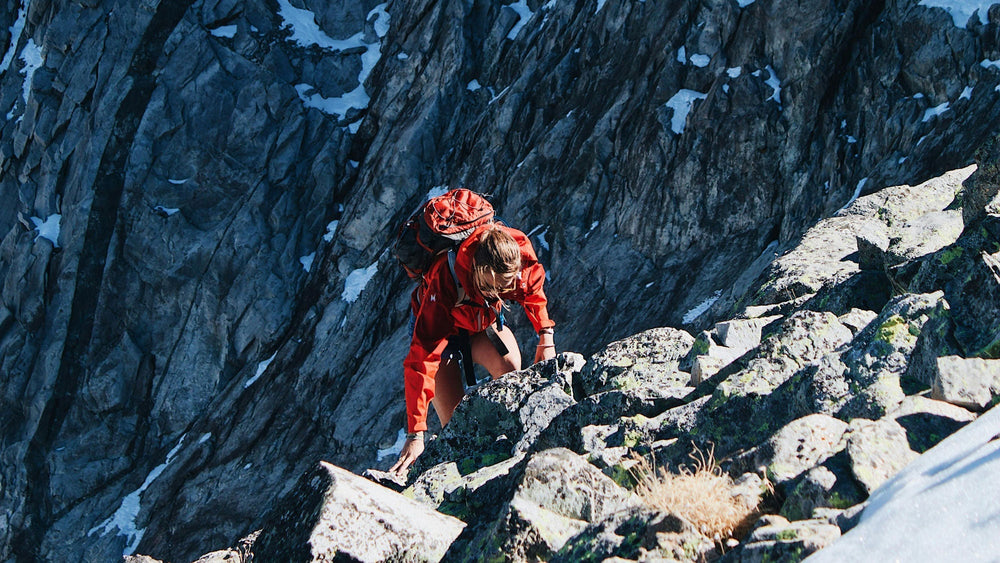

Spring is a magical time in the Rockies. The days grow longer, the snow consolidates, and the classic alpine routes come into condition. For mountaineers eager to stretch their legs after winter, these five climbs offer a mix of challenge, scenery, and accessible objectives. Each route requires proper preparation—check conditions, bring the right gear, and never go alone.
1. Mountaineer’s Route – Mount Whitney, California
Though technically in the Sierra Nevada, Mount Whitney’s Mountaineer’s Route is a spring classic for mountaineers across the western U.S. The route follows the north fork of Lone Pine Creek, ascending a steep couloir known as the “chute” to the summit ridge.
- Difficulty : Class 3 with steep snow (up to 45 degrees in the chute)
- Gear : Crampons, ice axe, helmet
- Best time : April–June, when the chute is still filled with snow but avalanche danger has subsided
- Length : Approximately 8 miles round trip, 6,500 feet of elevation gain
The approach is long but rewarding. Camp at Upper Boy Scout Lake to split the effort. Above the lake, the route becomes a snow climb—practice good crampon technique and be prepared for firm conditions in the early morning.
2. North Face – Longs Peak, Colorado
Longs Peak is the crown jewel of Rocky Mountain National Park, and its North Face is one of the most iconic alpine routes in Colorado. The climb combines steep snow, exposed rock, and a spectacular summit.
- Difficulty : Class 4, snow up to 55 degrees depending on conditions
- Gear : Crampons, ice axe, helmet, rope recommended for inexperienced parties
- Best time : Late May–July, as the snow stabilizes and the Broadway ledge melts out
- Length : 8–12 hours car to car; 4,800 feet of elevation gain
The approach begins at the Longs Peak trailhead. Follow the trail to Chasm Lake, then traverse to the base of the North Face. The route ascends through a series of snowfields and rocky ribs. Above the “Ledges,” you’ll encounter steeper snow before gaining the summit ridge. Weather can change rapidly—start well before dawn and be prepared to turn back if thunderstorms threaten.
3. Ski Mountaineering on Mount Shasta, California
Mount Shasta is a massive stratovolcano that offers some of the best spring ski descents in the country. Avalanche Gulch is the most popular route, with a direct line from the summit to the trailhead.
- Difficulty : Steep snow climbing (up to 35–40 degrees); ski descent requires advanced off‑piste skills
- Gear : Skis or splitboard with skins, crampons, ice axe, helmet, glacier travel equipment
- Best time : April–June for stable corn snow
- Elevation : 14,179 feet
Most parties start from Bunny Flat (6,950 ft) and ascend via Avalanche Gulch. The route climbs through Helen Lake (a common camp) to the Red Banks, then to the summit plateau. The ski descent on perfect corn snow is unforgettable. Check avalanche forecasts and be mindful of the “Shasta crawl”—a slow, plodding rhythm that helps with altitude.
4. South Side – Mount Adams, Washington
Mount Adams is a massive, non‑technical volcano in the southern Cascades. Its South Side route is ideal for practicing crampon and ice axe skills in a relatively low‑risk environment.
- Difficulty : Non‑technical snow climb (up to 30 degrees)
- Gear : Crampons, ice axe, helmet (optional but recommended)
- Best time : June–July, after the road to Cold Springs Campground opens
- Length : 12 miles round trip, 6,700 feet of elevation gain
The route is straightforward: follow the climber’s trail from the parking lot to the “Lunch Counter” (a flat area at about 9,500 ft), then ascend the broad snowfield to the false summit and finally to the true summit. Because it’s non‑technical, it’s a great objective for beginners, but still demands fitness, proper gear, and awareness of altitude.
5. East Face – Mount Rainier, Washington
For those ready to step beyond the standard Disappointment Cleaver route, Mount Rainier’s East Face offers a more remote and less‑crowded climb. It’s a full alpine experience with glacier travel, crevasses, and steep snow.
- Difficulty : Glacier travel, steep snow up to 40 degrees; requires crevasse rescue skills
- Gear : Crampons, ice axe, rope, harness, glacier travel gear (pickets, prusiks), helmet
- Best time : June–August
- Length : 3–4 days typically; 9,000+ feet of elevation gain from the trailhead
The route starts from the White River Campground. Approach via the Inter Glacier to Camp Schurman, then traverse the Emmons Glacier to the East Face. The face itself is a steep snow slope leading to the summit plateau. This is a serious mountaineering objective—only attempt with solid glacier experience or with a guide.
Before You Go: Spring Conditions
Spring alpine climbs come with unique considerations:
- Avalanche danger : Even in late spring, fresh snow can create unstable conditions. Check the local avalanche center forecast.
- Crevasses : As snow melts, crevasses open. On glaciers, travel roped up.
- Weather : Spring storms can move in quickly. Have a contingency plan and know when to turn around.